
When a product needs more than a cart
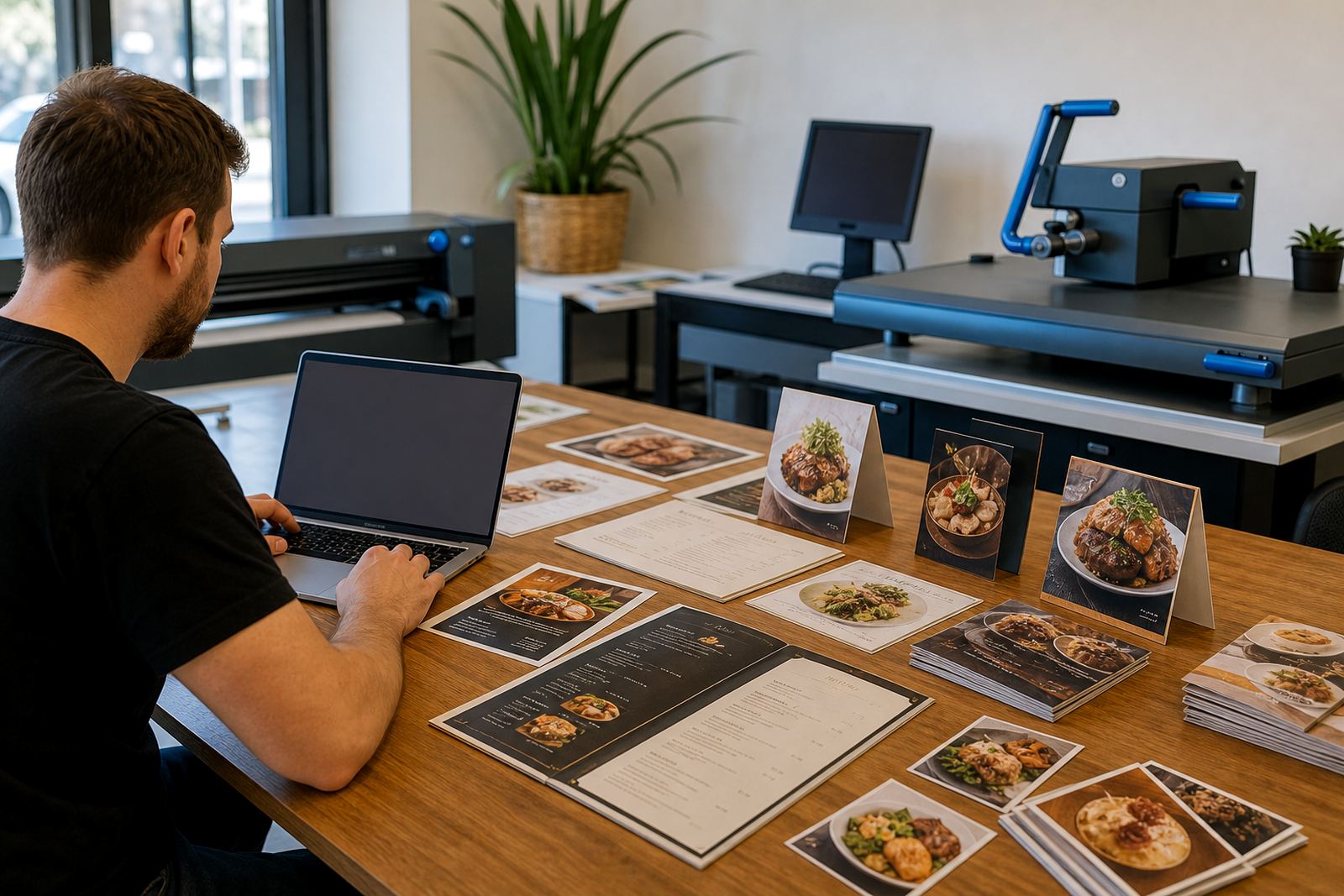
Not every print item behaves like a standard shelf product. A rigid box, a short-run label set, a corporate folder with mixed inserts, or a complex multi-part form may need extra detail before any price or proof makes sense.
An enquiry form lets the client describe sizes, artwork status, quantities, delivery points and finishing notes in one place. That gives the shop room to quote on the real job, not a guessed version of it.
- Special sizes that do not fit a fixed template
- Jobs with several versions, names or departments
- Artwork that must be checked before pricing is final
- Delivery or collection details that affect the workflow
What the form must capture before a quote can land
A good form does more than collect a name and phone number. It should pull in the details that change production, cost and approval steps. In print, the difference between a clean job and a messy one is often in the brief, not the press.
For Durbanville, Cape Town or a client in Pretoria, the same form can still be used, but the fields may vary by product. A packaging enquiry may need board type and dimensions, while a banner brief may need eyelet spacing and installation notes.
- Product type, size and quantity
- Artwork supplied, not supplied, or needs help
- Material choice, finish and colour count
- Delivery suburb, collection point or branch
- Any special instruction that affects scheduling
Once that structure is in place, the enquiry enters the shop with fewer gaps and less back-and-forth across departments.
Artwork checks belong in the same path
Many custom forms are really preflight tools in disguise. The client may think they are only asking for a quote, but the shop needs to know whether the file is print-ready, whether bleed is present, or whether the artwork needs a layout correction before proofing begins.
That is especially useful for items where one small error becomes expensive on press. A form can ask for file type, logo position, versioning and whether the client wants the artwork reviewed before production moves ahead.
- File upload fields for artwork and supporting images
- Checklist prompts for bleed, crop marks and text safety
- Optional proof request before sign-off
- Notes for variable data or multiple versions
A print shop in Cape Town can use the same process for a school order, a corporate campaign or a trade client with repeat work, yet each brief still lands with the right checks attached.
Price matrices work best when the route is controlled
Instant pricing works well when the variables are narrow. Custom forms are better when the job has too many moving parts for a simple calculator. The software can still use price matrices in the background, but the form steers the enquiry into the correct pricing path.
That matters for products with thresholds, setup fees, bulk breaks or finish-dependent pricing. A client in Johannesburg may need a fast comparison for three quantity bands, while a Durban customer may be asking for an unusual size that changes the whole table.
- Matrix pricing for standard combinations
- Manual review for unusual specifications
- Conditional fields that appear only when needed
- Internal notes for quoting staff and production teams
The point is not to block the sale. It is to keep the quote honest, the proof accurate and the production sheet usable.
B2B work needs a quieter front door
Corporate print often follows a different rhythm from retail orders. Buying teams may work through branches, departments or cost centres, and the ordering pattern can be repetitive but still need approval, tracking and delivery control.
A custom form gives those clients a calmer route than a standard checkout. It can feed into a B2B portal, save recurring specifications and hold the right approval trail for staff who place orders on behalf of others.
- Departmental ordering with set templates
- Repeat jobs with saved artwork rules
- Approval steps before production starts
- Order tracking for dispatch and delivery status
For a print shop serving Stellenbosch, Paarl and Bloemfontein, that structure reduces confusion when several people touch the same job.
A Durbanville example that feels familiar
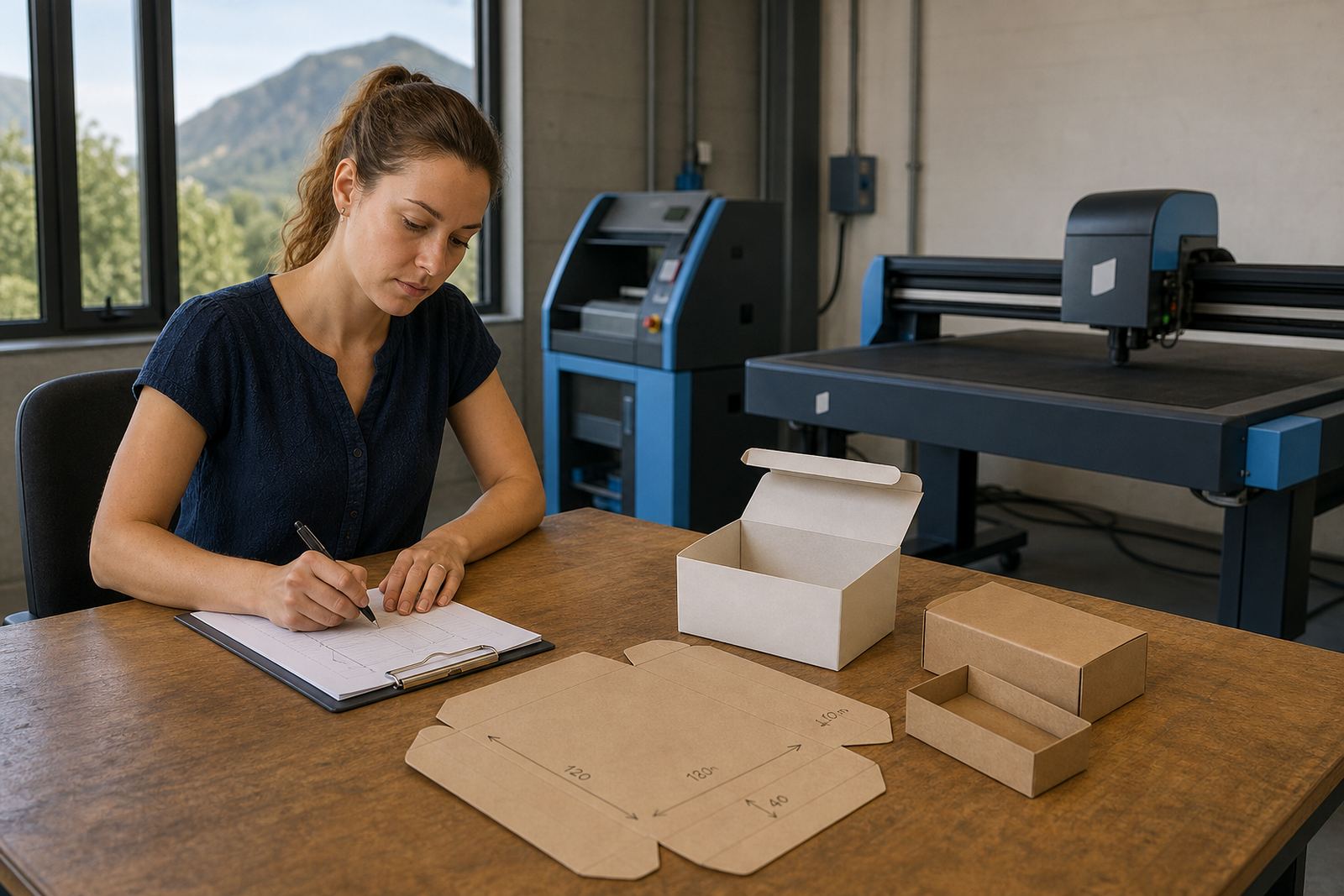
A local packaging client phones in a request for a short-run folded carton. The size is unusual, the artwork is not final, and the delivery point changes depending on stock levels. An instant checkout would only guess at the details and probably need correction later.
With a custom form, the client gives the dimensions, board preference, artwork status and delivery suburb in one pass. The shop can route the brief into the right template, check the file, and decide whether a proof is needed before print.
That is the practical value of the form. It turns a vague enquiry into a production-ready brief without forcing the client into a wrong-size product page.
What shops gain when the form is built properly
A custom form is not just an admin tool. It helps the shop protect margin, reduce quoting errors and keep production notes tied to the order from the first step to dispatch.
It also gives staff a cleaner working day because the information arrives in a usable shape. Instead of chasing missing measurements or artwork details, they can focus on the quote, the proof and the job ticket.
- Cleaner briefs with fewer missing details
- Better routing between sales and production
- Fewer wrong assumptions on special jobs
- More suitable pricing for complex work
For print shops building custom forms into their storefront, the goal is not more clicks. It is a form that asks the right questions and leaves the job ready for action.