
Gazebo panels that match the frame, not guesswork
Gazebo Graphics covers the printed skins and panel sets used on event gazebos, promo stands and trade-show shelters. The ordering flow has to capture the frame size first, then the panel layout, then the print finish so the job lands on the right structure and the panels sit where they should.
Most orders are built around a few fixed frame formats, such as 2.0 metre, 3.0 metre and 3.0 x 4.5 metre gazebos, with matching valance strips, roof panels and side walls. Some customers want only the roof branding, while others need full wrap sets with back walls, side walls and corner panels. A good storefront lets the buyer pick the frame size, choose the panel mix and upload the artwork before the order enters production.
- Common sizes: 2m x 2m, 3m x 3m, 3m x 4.5m and 3m x 6m
- Panel choices: roof only, roof plus valance, half walls, full walls and back wall branding
- Material choices: fabric, PVC-coated banner, or tension-fit display cloth where suitable
- Finish options: hemmed edges, eyelets, Velcro tabs, zipper joins or sleeve fits
Options that help a client order the right set
Gazebo graphics are rarely one-size-fits-all. The software behind the storefront should let the customer select the frame make, the number of printed sides, whether the roof peak carries a logo and whether the artwork repeats around the valance. That keeps the order tied to the actual display plan instead of a rough note on a quote request.
Many shops also need the price matrix to react to extras such as double-sided printing, stitched seams, reinforced corners or a carry bag. If the client needs a spare wall panel or a replacement roof skin, the same product page can hold the base item and the add-on items together. That makes reordering simpler for agencies and event teams in Cape Town, Durban, Johannesburg, Pretoria and Bloemfontein.
- Artwork upload for logos, sponsor marks and event messaging
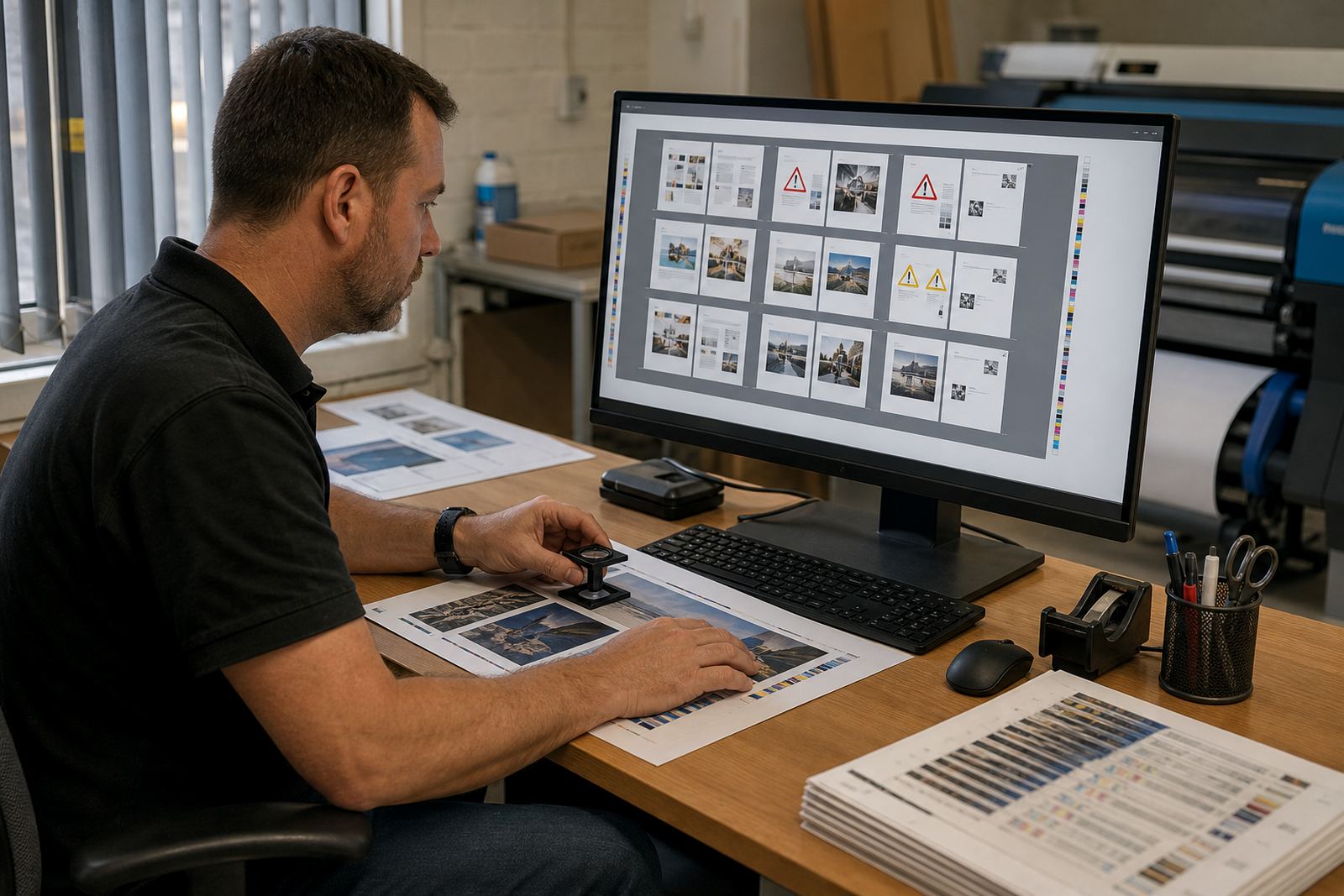
- Optional proofing workflow before print approval
- Pricing by size, panel count and finish type
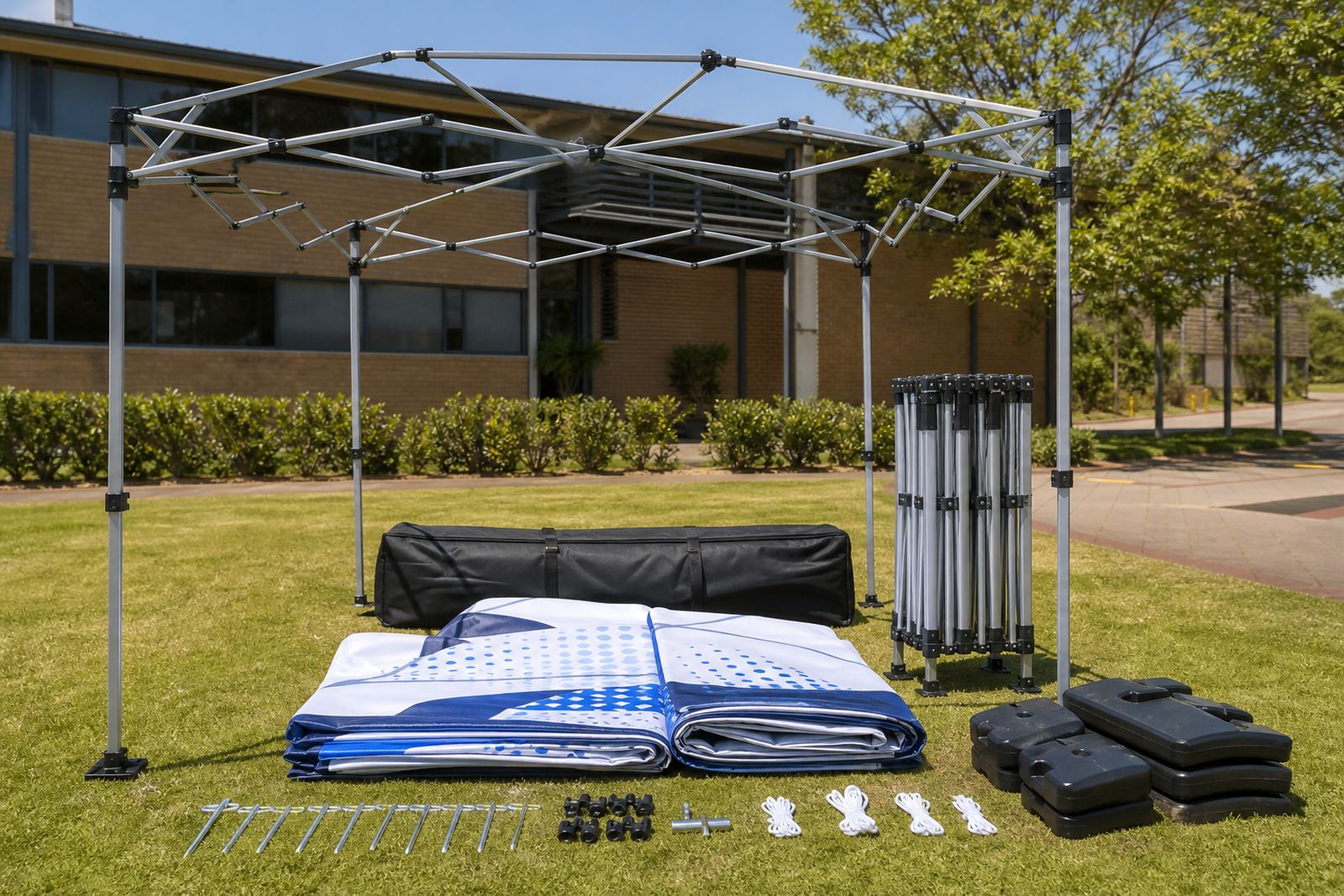
- Accessory choices such as sandbags, stakes and carry bags when sold with the gazebo set
Where gazebo graphics usually earn their place
These products suit outdoor activations, sports days, school functions, expo stands, market days and site signage where a branded shelter needs to do more than keep the sun off a table. In coastal towns such as Durban and parts of Cape Town, the print finish also needs to cope with salt air, damp mornings and frequent pack-downs.
A gazebo graphic order often serves a marketing team, a franchise branch, a launch event or a rental company that sends branded kits out week after week. The best ordering setup shows the buyer the right template for each frame size, because a 3 metre wall does not sit correctly on a 2 metre frame and the print margin has to match the cut line. For shops handling event work, that cuts down on measure-up errors and paper trails with too many side notes.
- Useful for launches, roadshows, outdoor retail stands and community events
- Suitable for short-term campaigns and repeated hire stock
- Works well where branding must be visible from a distance
- Can be built into B2B portals for agencies or corporate buyers
Fitting, fitting notes and production checks
Gazebo graphics need more than print output. The order should capture whether the panels are sleeve-fit, tension-fit or secured with tabs and fasteners, because the fitting method affects both the template and the seam allowance. If a wall panel uses a zip opening or a window cut-out, that detail must sit in the product setup before the file reaches print.
For production teams, the useful checks are practical ones: frame size, panel count, print side, hem allowance, edge reinforcement and the presence of any cut-outs. Artwork preflight should catch low-resolution logos, missing bleed and colour issues before the job moves forward. Where the gazebo graphics include multiple panels, order tracking helps the shop keep roof, side wall and carry bag items together through cutting, sewing and dispatch.
- Confirm frame size in metres, not only the gazebo name
- Check if artwork repeats across each side or changes panel by panel
- State whether windows, doors or cut-outs are needed
- Record fitting type, fastening type and bag choice on the order
Care that keeps the set usable after the event
Printed gazebo panels are handled, folded, packed and opened many times, so care matters. After use, the fabric or banner panels should be dry before storage, especially in humid areas along the coast. Damp packing leaves marks, a musty smell and can shorten the life of the print surface and stitching.
Most sets need a gentle clean with a soft cloth and mild soap, then a proper dry-down before folding. Sharp creases at the same fold lines will eventually show, so a carry bag sized for the set helps reduce rough packing. If the gazebo lives in a rental fleet, the product record should also note replacement panel sizes and whether the artwork needs a refreshed proof before the next run.
- Store dry and folded to the same pattern each time
- Keep the print face away from rough hardware
- Use a labelled carry bag for roof, walls and pegs
- Replace worn edge tape or loose stitching before the next event
What the order record should capture before print
A good gazebo graphics order needs enough detail to move straight into setup, print and dispatch. The quote or product form should capture the frame dimensions, the number of printed panels, the print method, the finishing style and the accessory list. If the customer wants a branded carry bag too, that should sit on the same order so the full set leaves together.
For South African print shops, the value is in the structure. A clear product page lets staff build the same item for a single event or a nationwide roll-out without rewriting the specs each time. PrintEngine supports that with product templates, price matrices, proofing steps, staff training and order tracking that keeps the job visible from basket to production floor.
- Frame size and gazebo style
- Panel count and panel positions
- Artwork file format and approval stage
- Finishing details, carry bag choice and delivery destination
Key facts
| Product type | Gazebo graphics for printed event display frames |
|---|---|
| Size range | 2m x 2m, 3m x 3m, 3m x 4.5m, 3m x 6m and made-to-match panels |
| Materials | Fabric, PVC-coated banner and display cloth options |
| Finish options | Hems, eyelets, Velcro tabs, sleeves, zips and reinforced corners |
| Artwork handling | Upload, proofing, preflight checks and panel-by-panel templates |
| Order features | Price matrices, B2B portals, payment handling, courier links and production tracking |